Skip to content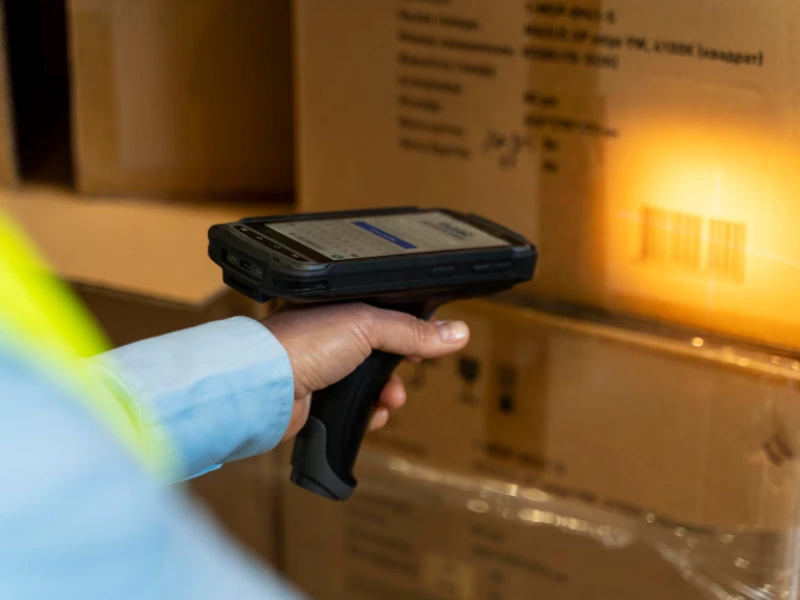
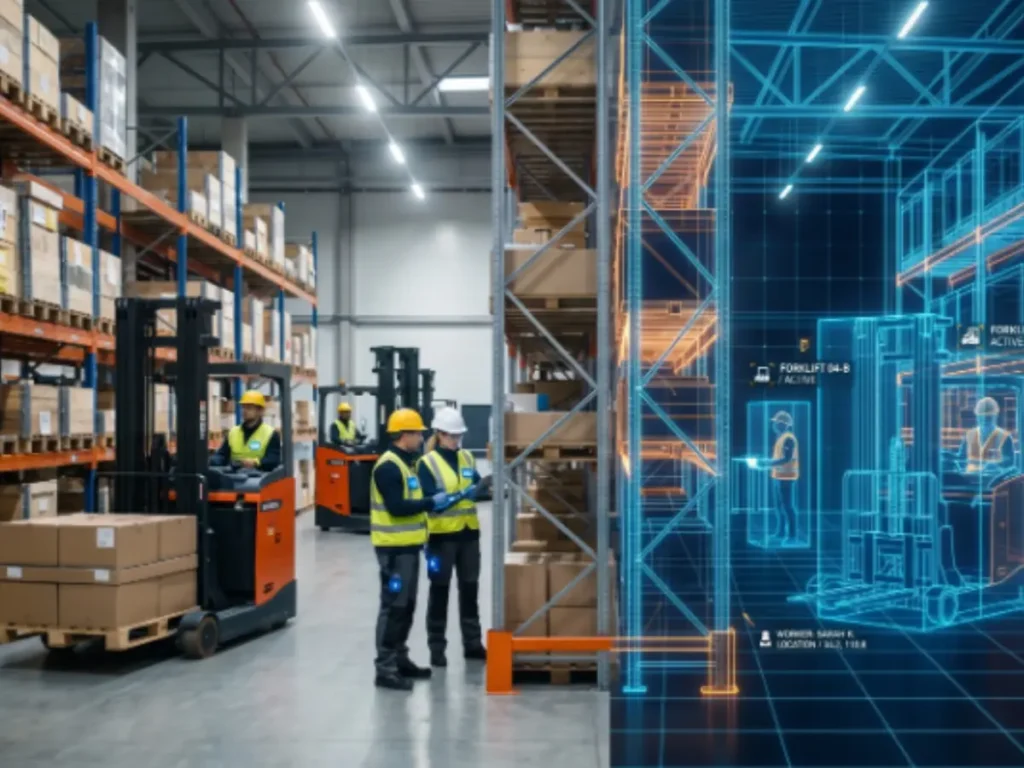
Implementing a modern inventory tracking barcode system remains a foundational strategy for streamlining logistics, but still traditional static labels often fail to meet the contemporary scale. Building a vendor-neutral tracking infrastructure requires migrating from siloed scanning to an connected digital twin ecosystem. By merging edge hardware with advanced analytics, facilities achieve real-time, proactive visibility and maximize asset utilization. While legacy tools kept basic counts, modern operations rely on interconnected data to eliminate operational bottlenecks entirely and drive long-term profitability across the assembly line.
With the rise of Industry 4.0, a cloud-driven barcode tracking system backed by AI and IoT. AI & IoT are revolutionizing the way manufacturers track and manage inventory. These advanced systems provide real-time visibility, automate error detection, and integrate predictive analytics, making them indispensable for smart factories. In this article, we’ll explore how AI and IIoT are transforming barcode tracking systems and why they are critical for modern manufacturing environments.
How Barcode Inventory Tracking Systems Work in Factories?
A legacy barcode system for manufacturing typically relies on scanners to read printed barcodes attached to pallets, boxes, and other assets. The scanned data is then transmitted to a database for storage and retrieval, such as an Inventory Management System (IMS) or a Warehouse Management System (WMS). While these systems have been instrumental in reducing manual errors by replacing pen and paper and improving efficiency, they do come with limitations.
Common Benefits
- Reduced Errors: Barcode scanning eliminates manual data entry mistakes.
- Faster Inventory Checks: Scanning barcodes speeds up stocktaking processes.
- Cost-Effectiveness: Barcodes and scanners are inexpensive and easy to produce and implement.
Limitations
- Lack of Real-Time Data: Traditional systems don’t provide live updates on inventory movement or status.
- Dependency on Human Scanning: Barcodes need to be manually scanned, which slows down high-speed manufacturing or processes and creates risk of error.
- Inefficiencies in Complex Environments: In fast-paced environments, manual scanning presents clear limitations compared to AI-powered pallet tracking vs barcode systems that automate validation.As manufacturing environments become increasingly automated, the reliance on manual barcode scanning is proving to be a major bottleneck.
AI & IoT in Barcode Inventory Tracking Systems: The Next Evolution
The integration of AI and IIoT will further increase the value of insights provided an advanced barcode inventory tracking system. IIoT sensors now enable real-time data collection, connecting barcode scanners with location data, product tracking, and supply chain analytics through wireless networks. Meanwhile on the backend, machine learning, AI, or analytics software will process this data to provide actionable insights.
Key Features of AI & IIoT-Enabled Systems
- Real-Time Monitoring: IIoT sensors allow continuous tracking and monitoring of inventory across the factory floor.
- Automated Processes: AI automates tasks like error detection, replenishment alerts, and demand forecasting.
- Seamless Integration: IIoT allows your barcode asset tracking software to sync with Warehouse Management Systems (WMS), Enterprise Resource Planning (ERP) software, and cloud-based analytics platforms for end-to-end visibility.
Key Benefits of AI & IoT in Barcode Tracking
- Real-Time Barcode Location Tracking - No more outdated stock records; businesses can monitor inventory movement live.
- Automated Error Detection – AI flags mislabeled items and incorrect shipments before they escalate.
- Predictive Analytics for Demand Forecasting – AI analyzes historical data to anticipate shortages or overstock situations.
- Seamless Factory Integration – IIoT connects barcode scanners with WMS, ERP, and cloud-based tracking systems.
- AI-Powered Visual Scanning – Machine learning enhances barcode scanner accuracy and reduces misreads.
- Hybrid Barcode & RFID Systems – Combining barcode, RFID, and BLE technology improves tracking efficiency.
- Cloud-Based Barcode Systems & BaaS (Barcode-as-a-Service) – Offers scalable, real-time inventory tracking solutions.
Barcode vs RFID vs AI-Powered Barcode Systems
| Feature | Traditional Barcode | RFID | AI-Powered Barcode Systems |
| Accuracy | Moderate | High | Very High |
| Real-Time Tracking | No | Yes (active RFID) | Yes |
| Range | Limited | Short to Long | Short to Moderate |
| Cost | Low | Moderate to High | Moderate |
| Automation | Minimal | Moderate | High |
| Scalability | High | High | Very High |
Barcode Inventory Tracking System Use Cases in Smart Factories
- Warehousing: Pick and put away inventory with barcode systems.
- Logistics: Facilitate and guide the movement of large amounts of assets with barcode data.
- Retail: Monitor current stock using barcodes.
- High-Speed Manufacturing: AI-driven barcode scanning eliminates the need for manual scanning, enabling fully automated workflows.
How to Upgrade Your Barcode Inventory Tracking System with AI & IoT?
Step-by-Step Process
- Choose the right Hardware and software: Select barcode scanners and corresponding platforms compatible with your IoT systems and 3rd party platforms.
- Integrate with Existing Systems: Use middleware solutions to connect scanners with legacy WMS, ERP or external 3rd party software.
- Set Up Alerts, Notifications, and Reporting: Configure automated alerts for low stock levels or errors.
- Change Management: Train employees by providing instructions on using new systems effectively.
Challenges & How to Overcome Them?
- Cost of Upgrading
Solution: Implement gradual rollouts starting with high-priority areas with the most achievable ROI. - Data Security Concerns
Solution: Use encrypted data transmission protocols for secure communication and conduct a thorough threat and vulnerability assessment before implementing. - Integration with Legacy Systems:
Solution: Deploy middleware solutions that bridge old and new technologies seamlessly.
The Future of Barcode Tracking in Smart Factories
The future of factory automation is rapidly evolving, driven by advancements in AI, IoT, and hybrid technologies. Here’s a more detailed look at what we can expect:
Hybrid Barcode with RFID & BLE Systems
- Smart factories are increasingly adopting hybrid systems that combine barcodes with RFID and BLE technology.
- This strategy combines asset tracking with barcode utility alongside high-precision RFID or BLE to balance cost and resolution.
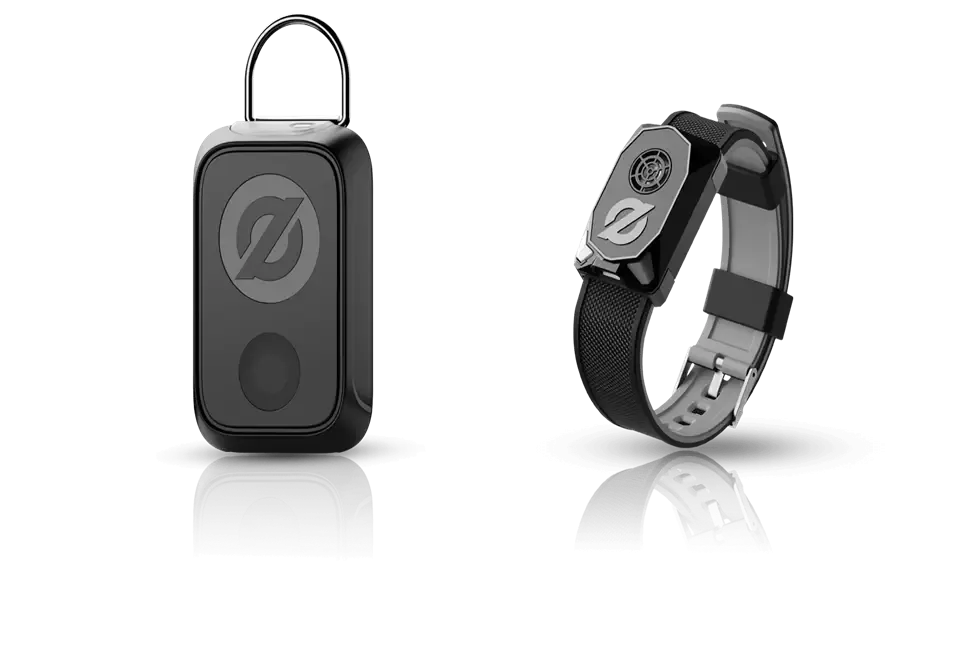
- Hybrid wearable compact devices are emerging, allowing workers to scan both barcodes and RFID tags more ergonomically.
- These systems enable seamless tracking from manufacturing through distribution, enhancing supply chain visibility and automation.
AI-Powered Visual Scanning
- Advanced AI-powered barcode readers, like Cognex’s DataMan 290 and 390, are increasing the speed and accuracy of identification of assets.
- These systems use image recognition algorithms to read barcodes from various angles and distances, even when codes are damaged or poorly printed.
- AI capabilities enable automatic error detection and correction, minimizing the need for manual intervention.
- Machine learning models are being integrated to predict scanner maintenance needs, reducing downtime.
Smart Labels and IoT Integration
- The next generation of barcodes will likely incorporate smart label technology, combining traditional barcodes with embedded sensors and chips.
- These smart labels can monitor product conditions, authenticate items, and provide real-time data throughout the entire supply chain.
- Integration with IoT ecosystems will enable seamless data capture and analysis, supporting Industry 4.0 initiatives.
Cloud-Based Barcode Systems
- Future barcode tracking systems will increasingly leverage cloud technology for real-time, multi-location inventory visibility.
- This shift will enable better supply chain collaboration, improved decision-making, and enhanced scalability for growing businesses.
By 2027, the adoption of GS1 Digital Link is set to transform barcode technology by enabling dynamic, real-time product identification and tracking. Unlike traditional barcodes, GS1 Digital Link integrates with AI and IoT systems, providing richer product data, automated error detection, and enhanced supply chain transparency—critical for the next generation of smart factories.
Conclusion & Call to Action
AI and IoT-powered barcode inventory tracking systems are revolutionizing smart factories by providing real-time visibility, automating error detection, and enabling predictive analytics. These advanced systems address the limitations of traditional barcode tracking while offering scalability for future growth.
Ready to upgrade your inventory management? Contact us today for a consultation or demo to explore how an AI-driven barcode tracking system can transform your factory operations!
FAQ
What is an inventory tracking barcode system?
An inventory tracking barcode system is an operational network of hardware scanners, printed labels, and centralized data software used to identify, log, and manage material stock levels across production and warehousing environments.
What types of barcode systems are used in warehouses?
Warehouses primarily deploy 1D linear systems for basic SKU tracking, 2D systems (like DataMatrix codes) for embedding rich serial data, and modern AI-powered visual scanning systems that read codes dynamically on high-speed conveyors.
How does barcode inventory tracking compare to RFID?
While barcode inventory tracking requires a direct optical line of sight and manual or visual intervention to process each item, RFID utilizes radio waves to scan multiple tags simultaneously from a distance without line-of-sight constraints.