
Proven RTLS Solutions by LocaXion
Improve forklift collision avoidance with RTLS and AI working together across people, assets, and vehicles for complete visibility.
Explore Forklift Collision AvoidanceCombine UWB, BLE, SLAM, IoT, and machine data in the LocaXion Digital Twin, connected to your existing systems. Built for hospitals and manufacturers.







LocaXion in numbers
- Deployments
- 100+
- Years in location intelligence
- 17+
- Months to sustained ROI
- 6–12
- Countries with a LocaXion office
- 5
Proven RTLS Solutions by LocaXion
Improve forklift collision avoidance with RTLS and AI working together across people, assets, and vehicles for complete visibility.
Explore Forklift Collision AvoidanceBuild Your Own RTLS Solution
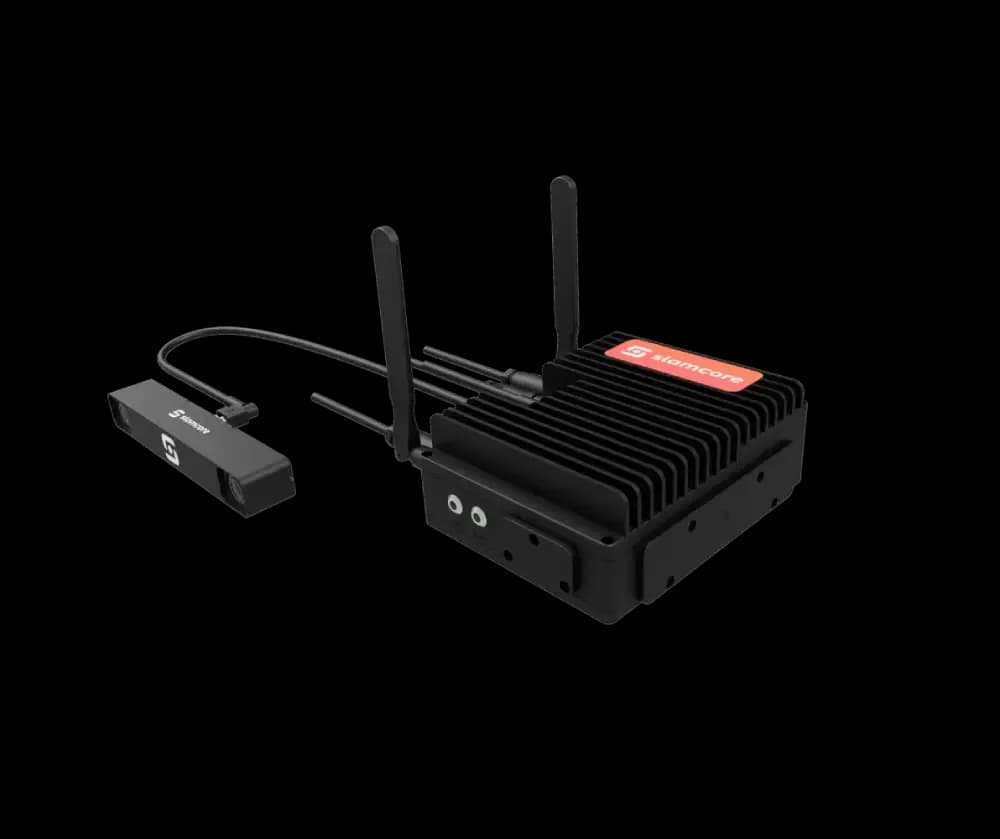
Forklift SLAM Tracking
15 cm · no anchors or tags
Track forklifts with SLAM-based precision: 15 cm accuracy and no anchors needed.
Learn more: Forklift SLAM Tracking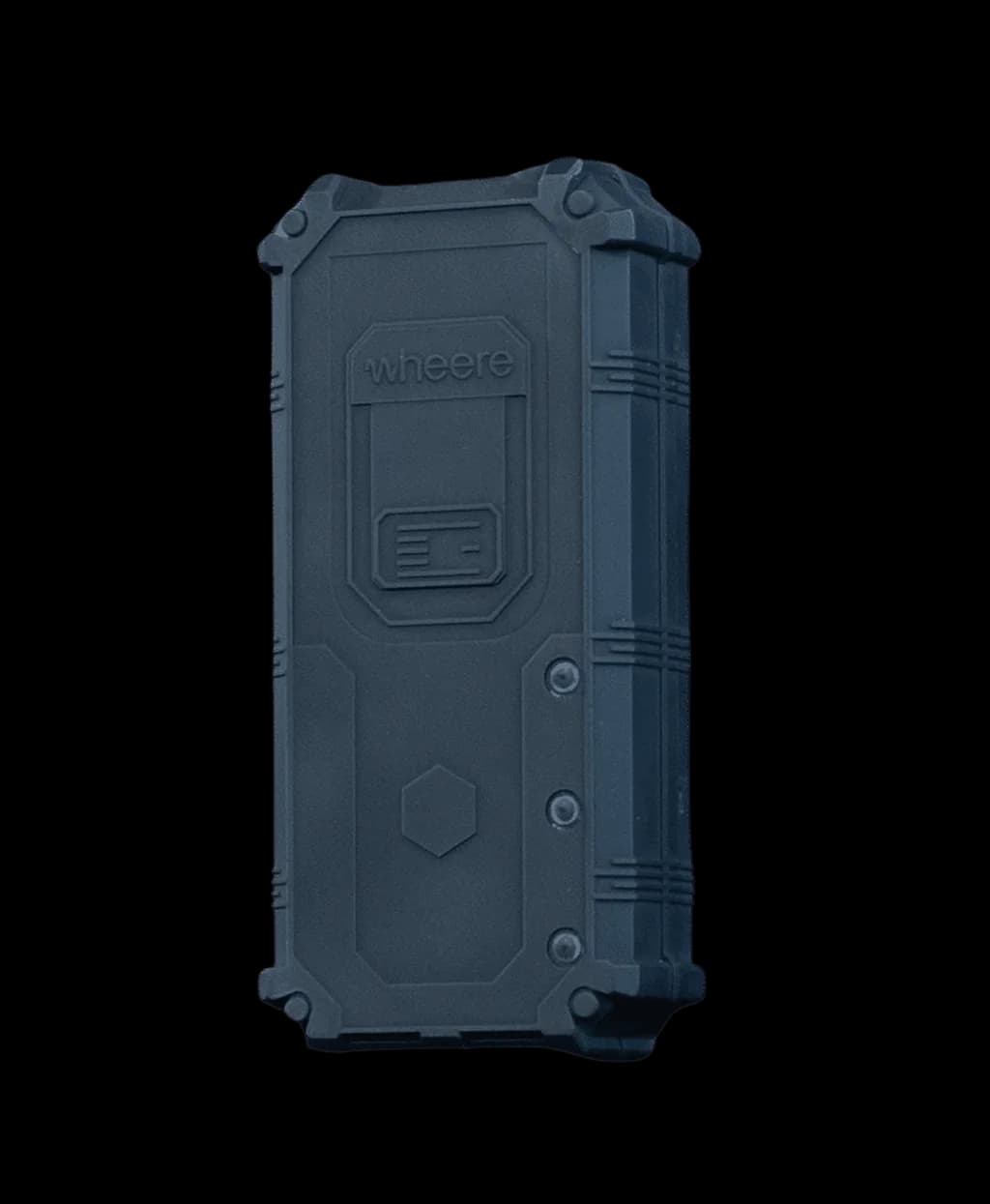
Concrete Penetrating RTLS
1–5 m · 1 km² · indoor + outdoor
Cover a whole campus, up to 1 square kilometer, with just four RTLS anchors.
Learn more: Concrete Penetrating RTLS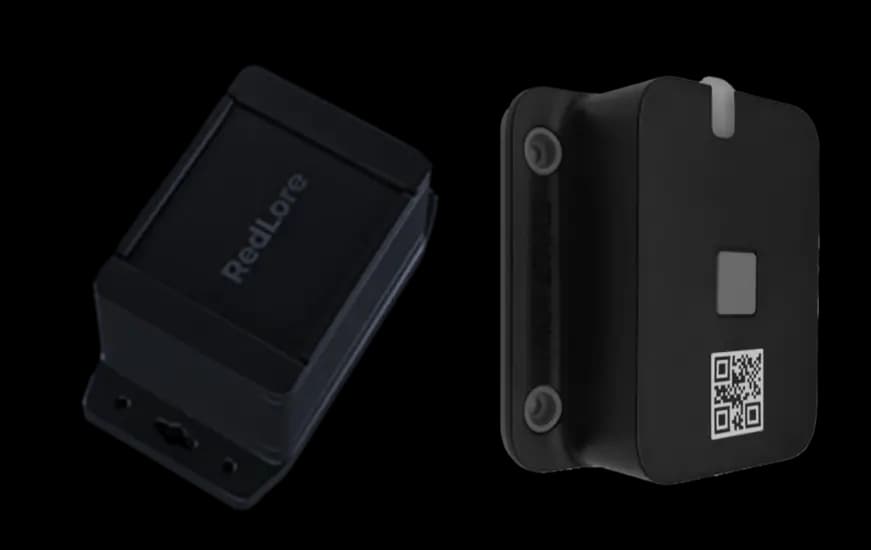
Cable-Free Wireless RTLS
10–30 cm · UWB + BLE
Wireless RTLS anywhere: 10–30 cm accuracy, five-year batteries, no cabling.
Learn more: Cable-Free Wireless RTLS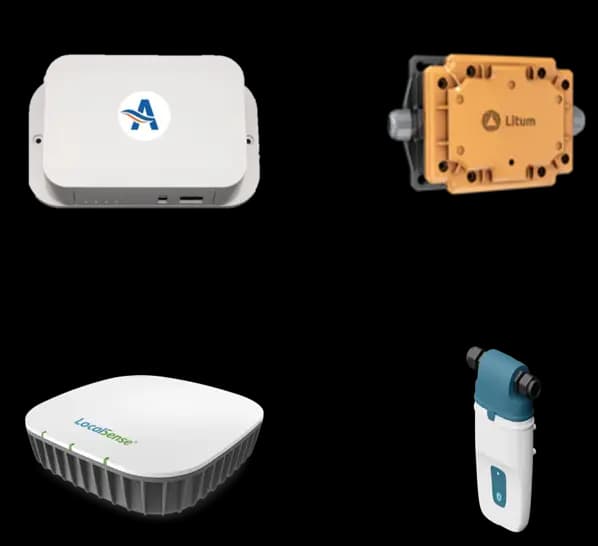
Traditional RTLS
UWB · BLE · WiFi
Industry-standard UWB, BLE and Wi-Fi tracking RTLS, tuned for performance and reliability.
Learn more: Traditional RTLS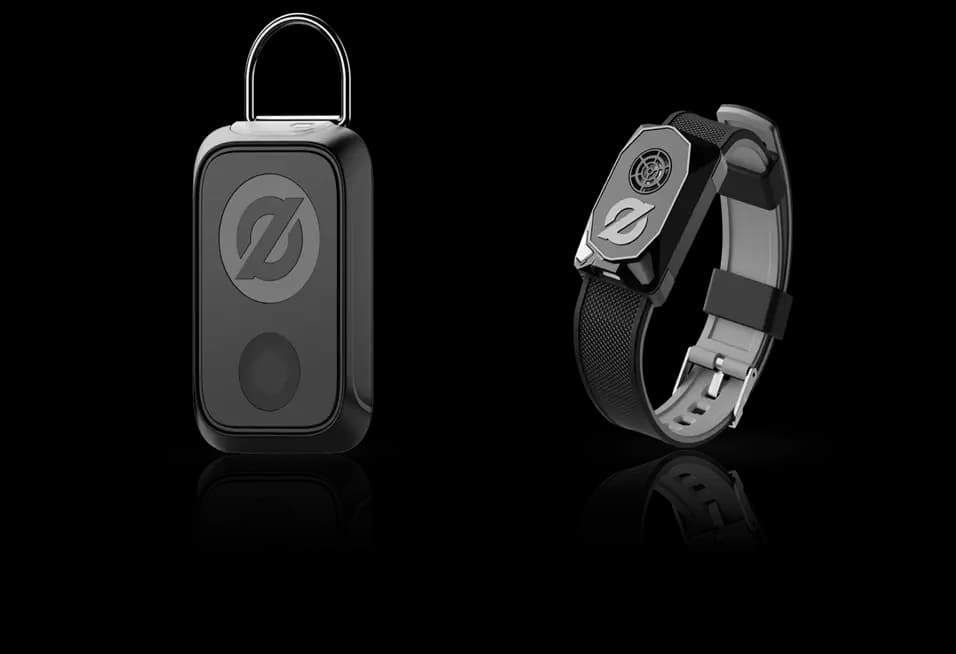
Sub-Centimeter RTLS
< 1 cm · mission-critical
RTLS technology that measures accurately in millimeters, for robotics, AGVs and mission-critical automation.
Learn more: Sub-Centimeter RTLS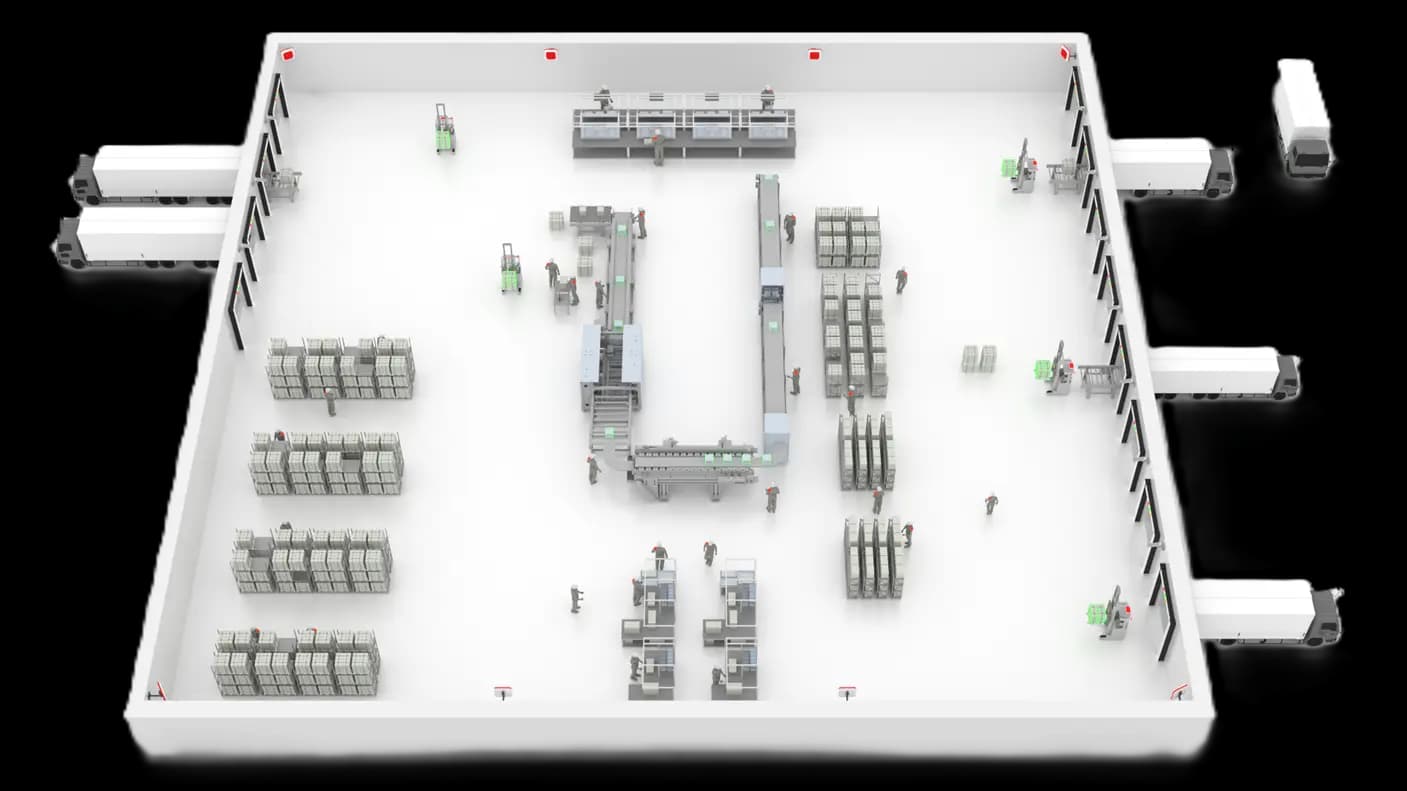
RTLS + Digital Twin
tracking + simulation
See operations live, simulate a change and predict its outcome before you make it.
Learn more: RTLS + Digital Twin
Why Clients Choose LocaXion
Trusted by Industry Leaders
“We’re expanding LocaXion into flow management, bottleneck isolation, and continuous improvement.”
Jon V. · Philips
“LocaXion took us beyond basic RTLS “tracking”… towards Digital Twin analytics.”
Jody K. · DENSO NA
“Viren’s approach was different and more structured than anything we heard from RTLS vendors.”
Terry J. · DENSO
4.9 out of 5 average rating on G2
All LocaXion reviews on G2Offices Around the World
 USAHouston
3040 Post Oak Blvd, Floor 18, Houston, TX 77056
+1-832-577-3888 Czech RepublicPrague
Nupaky 148, 251 01 Prague, Czech Republic
+420 770 329 869 GreeceAthens
151 Metamorfoseos Str., Athens, Greece P.C. 183 45
+30 694 851 5486 UAEDubai
404-12, 4th Floor, Business Building, Al Mamzar, Dubai, U.A.E.
+971 54 326 7181 IndiaMumbai
Unit No.43, 2nd Floor, Sumatinath Industrial Estate, Chincholi Bunder Road, Mindspace, Malad (W), Mumbai 400064
+91 92232 70763
Frequently Asked Questions
Everything you need to know about LocaXion’s RTLS and Digital Twins
What is RTLS and how does it work?
Real-Time Location Systems (RTLS) use various technologies (UWB, BLE, WiFi, SLAM) to track the real-time location of assets, people, and equipment. Tags attached to items communicate with anchors/sensors to determine precise positions, which are then visualized in software platforms.
How accurate is RTLS tracking?
Accuracy varies by technology: BLE/WiFi provides 1-5m accuracy, UWB offers 10-30cm precision, and ultrasound-based systems achieve sub-centimeter accuracy. LocaXion’s RTLS experts will help you select the right technology based on your accuracy requirements and budget.
How long does RTLS implementation take?
Timeline depends on facility size and complexity. LocaXion’s typical RTLS deployment ranges from 4-12 weeks after the pilot phase. Our cable-free solutions can be deployed in just a few days, while traditional wired systems may take longer.
What is the ROI of an RTLS system?
Most customers achieve ROI within 6-12 months through reduced search time, improved asset utilization, decreased rental costs, and enhanced operational efficiency. LocaXion provides detailed ROI analysis during the initial RTLS consultation phase itself. Check out LocaXion’s RTLS ROI calculator.
Do I need to replace my existing systems if I deploy RTLS?
No. LocaXion’s RTLS solutions integrate with your existing ERP, MES, WMS, EMR, and other enterprise systems. We're technology-agnostic and focus on seamless integration rather than replacement.
What's the difference between RTLS and Digital Twin?
RTLS provides real-time location data, while Digital Twin adds context, analytics, and simulation capabilities. LocaXion integrates vendor-agnostic RTLS technology with Digital Twin platforms to transform raw location data into predictive, context-aware operational intelligence.
Can RTLS work in harsh industrial environments?
Yes. LocaXion offers ruggedized RTLS tags rated for extreme temperatures, moisture, chemicals, and physical impact. Our solutions are deployed in automotive plants, steel mills, cold storage, and other demanding environments.
What guarantees an RTLS project success?
LocaXion’s 5-phase RTLS digital twin deployment methodology front-loads risk mitigation: consultation, pilot, site survey, implementation, and continuous optimization. This approach ensures realistic expectations and proven performance before full deployment.
What industries benefit most from RTLS?
We have seen manufacturing, healthcare, and logistics benefitting most from RTLS. Specific use cases include LocaXion’s WIP tracking, equipment management, worker safety, forklift fleet, and patient flow monitoring.
What ongoing support does LocaXion provide?
We offer continuous RTLS optimization services including system monitoring, performance analytics, regular reviews, and enhancement recommendations. Our goal is sustained ROI, not just a working installation.
Still Confused About RTLS and Digital Twins?
Deep-dive into the RTLS technologies, digital twin, and IoT platforms that power modern location intelligence
Ready to Discuss Your Challenges?
Let's explore whether our LocaXion Intelligence Framework is the right fit for your business goals, without any sales pressure or commitments.