...
Latest RTLS Update Automate FDA's QMSR Compliance With RTLS CLICK HERE
eBook · January 2026 Edition

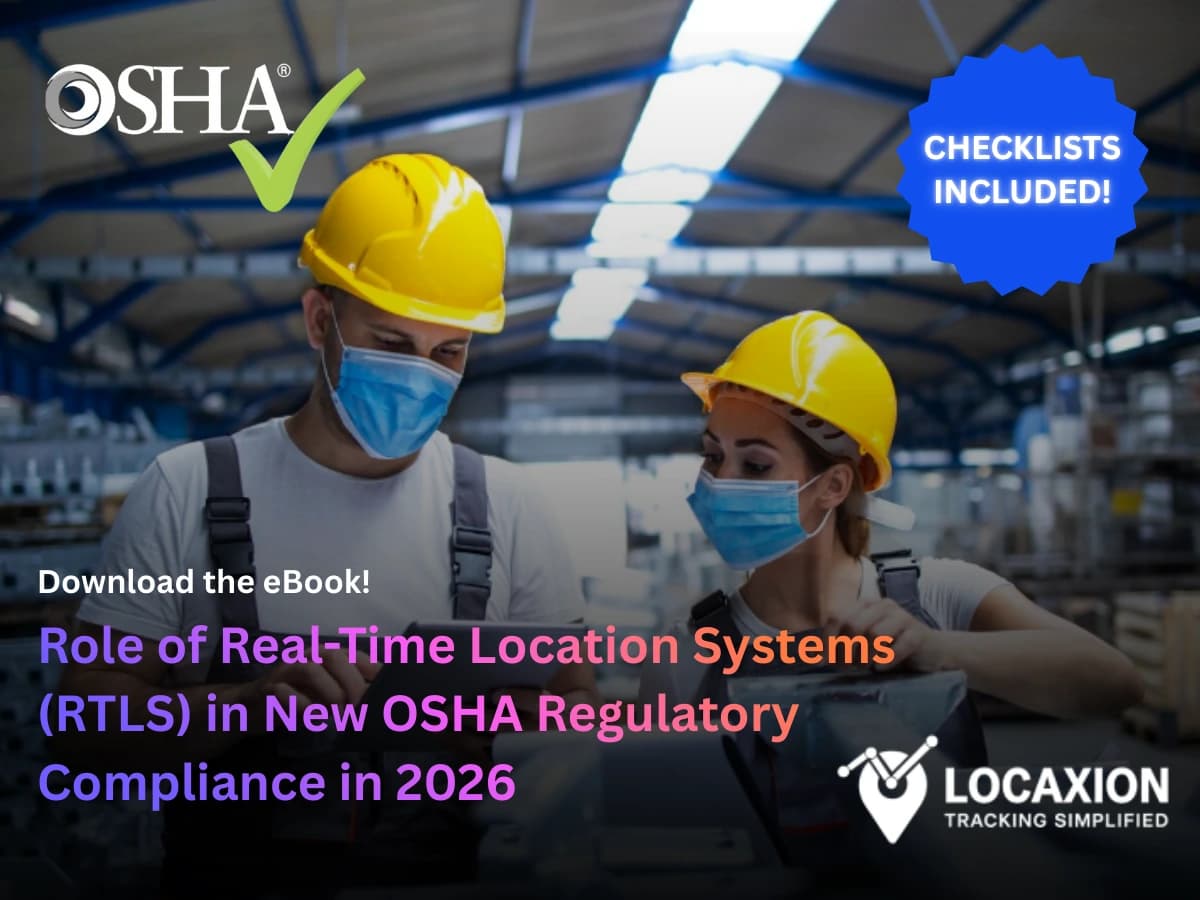
Role of Real-Time Location Systems (RTLS)
in New OSHA Regulatory Compliance in 2026

Automating OSHA Safety Audits and Hazard Monitoring with Real-Time
Location Systems (RTLS) and Digital Twins Across Industries

Is Your Facility Ready for the 2026 OSHA Deadlines?

As federal oversight tightens, several critical deadlines and enforcement programs are now active. Relying on manual logs in this high-scrutiny environment is a significant liability.

Key Regulatory Pressure Points

  • March 2, 2026: The Electronic Submission Deadline: High-hazard industries must now submit detailed incident data (Forms 300 and 301) to OSHA’s Injury Tracking Application (ITA). Inaccurate data or “suspiciously low” rates are now automatic triggers for Site-Specific Targeting (SST) inspections.
  • April 8, 2026: Heat NEP Extension: OSHA’s National Emphasis Program for Indoor and Outdoor Heat has been extended. For the first time, indoor facilities without climate control (warehouses, foundries, laundries) are under the same scrutiny as outdoor construction sites.
  • Continuous Safety Audits: OSHA now expects proof of “active management” of hazards like lone workers, machine-pedestrian proximity, and restricted zone access.

Download eBook

From Snapshots to "Living" Safety Audits

The core argument of this eBook is that Safety is Data. Mathuria explores how the convergence of RTLS and Digital Twin technology transforms compliance from a bureaucratic burden into a strategic operational advantage.

The RTLS Safety Advantage

  • Automated Evidence: RTLS digitizes the movement of every asset and person, providing a “digital paper trail” that satisfies OSHA inspectors instantly.
  • Real-Time Intervention: Instead of documenting an accident after it happens, RTLS-enabled Digital Twins trigger alerts before a forklift hits a pedestrian or a worker enters a hazardous zone.
  • Eliminating Human Error: By automating safety logs, organizations remove the risk of underreporting or manual entry errors that lead to “Hazard Alert Letters” and heavy fines.

What You Will Learn

  • The Heat Standard Roadmap: How to use environmental sensors and worker location data to automate “cool-down” breaks and hydration monitoring.

  • Hazard Zone Management: Using high-precision geofencing to satisfy OSHA 1910.146 (Confined Spaces) and 1910.147 (Lockout/Tagout).
  • The Electronic Recordkeeping Bridge: A technical guide to pushing RTLS incident data directly into your EHS software to meet the March 2nd deadline. Lone Worker Protections: Implementing “Man Down” and “Check-in” automation that provides 100% visibility in decentralized or high-risk settings.
  • Lone Worker Protections: Implementing “Man Down” and “Check-in” automation that provides 100% visibility in decentralized or high-risk settings.
  • Comes with industry-based OSHA safety compliance checklists to assess whether your business is ‘audit-ready’ or at risk!

Focus Sectors for 2026

Industry Primary Compliance Challenge How RTLS Solutions Can Help
Manufacturing Struck-by and caught-in hazards. Proximity alerts and machine-guarding automation.
Logistics & Warehousing High-energy hazards and forklift safety. Real-time traffic management and pedestrian geofencing.
Energy and Oil & Gas Lone worker safety and hazardous environments. Instant emergency location and exposure tracking.
Scroll to Top
Talk to the Dream Team