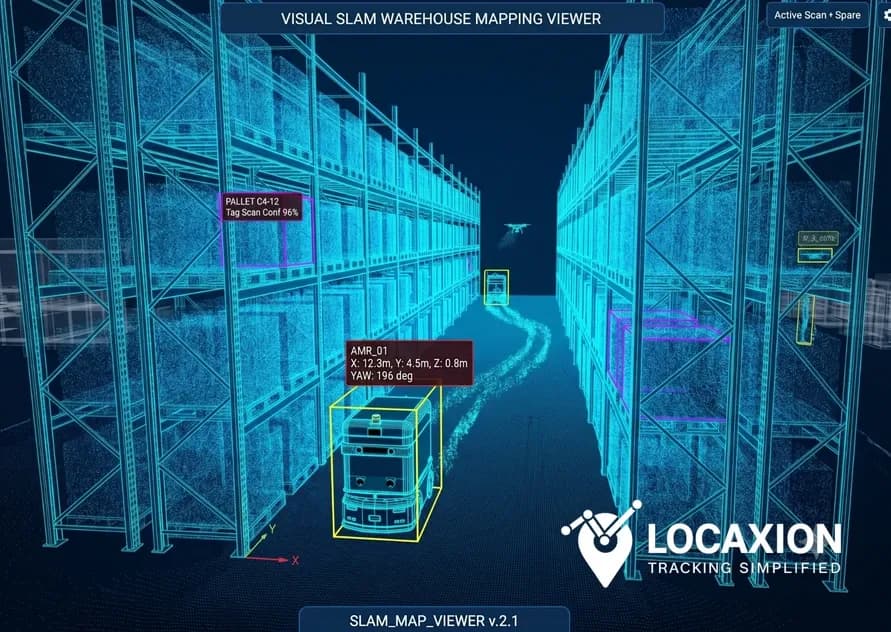

RTLS in manufacturing transforms how metals producers track assets, materials, and workflows, replacing manual data entry and static inventory methods with a live, facility-wide digital twin. Metals facilities are large, asset-heavy, and process-intensive; without real-time location data, bottlenecks go undetected, and operational leaders react rather than anticipate. Deploying real-time location systems (RTLS) for custom metal assemblies closes that gap — automating visibility across sprawling operations to measurably improve asset tracking ROI, worker safety, and long-term profitability.
Automating Manual Scanning with RTLS in Metal Industries Traditionally, metals manufacturers have relied on manual scanning to track assets, work-in-progress (WIP), and shipments. This labor-intensive process is prone to errors and can cause bottlenecks in production. RTLS automates this tracking, eliminating the need for manual input. With tags and sensors placed on key assets, the system automatically updates inventory levels and tracks movement in real-time.
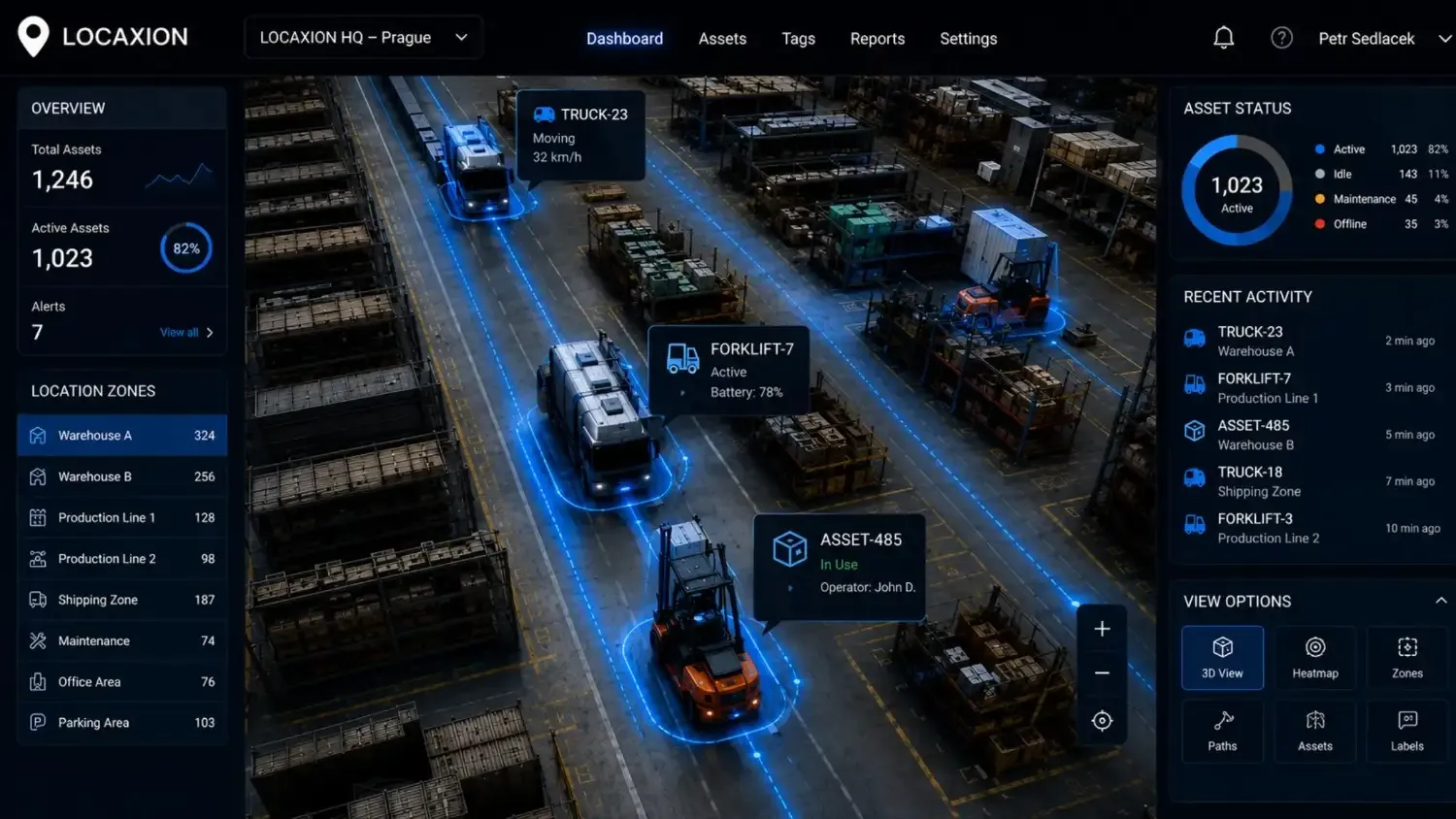
Key Benefits of Automated Tracking:
| BENEFIT OF AUTOMATION | OPERATIONAL IMPACT | STRATEGIC VALUE |
|---|---|---|
| Reduced Labor Costs | Eliminates manual barcode scanning entirely. | Helps reduce costs RTLS implementations typically target. |
| Error Reduction | Ensures highly accurate, real-time telemetry data. | Maximizes RFID efficiency and overall RTLS ROI. |
| Faster Throughput | Streamlines material flow for complex workflows. | Directly impacts your baseline asset tracking ROI. |
| Comprehensive Visibility | Pinpoints exact coordinates to minimize search times. | Delivers the core real-time locating systems benefits. |
Real-World Example: Steel Plant Real-Time Automation
A major steel manufacturer implemented RTLS across its facility, automating the tracking of raw materials, finished goods, and tools. By doing so, they reduced manual scanning time by 80%, improved inventory accuracy by 95%, and streamlined the movement of products between production zones. The facility now operates with fewer disruptions and can scale output without adding headcount.
Result of RTLS in Metal Manufacturing:
-
4% increase in production throughput
-
12% increase of forklift OEE
-
Significant reduction in misplaced inventory
-
Reduced missed shipments
-
Enhanced ability to meet tight delivery schedules
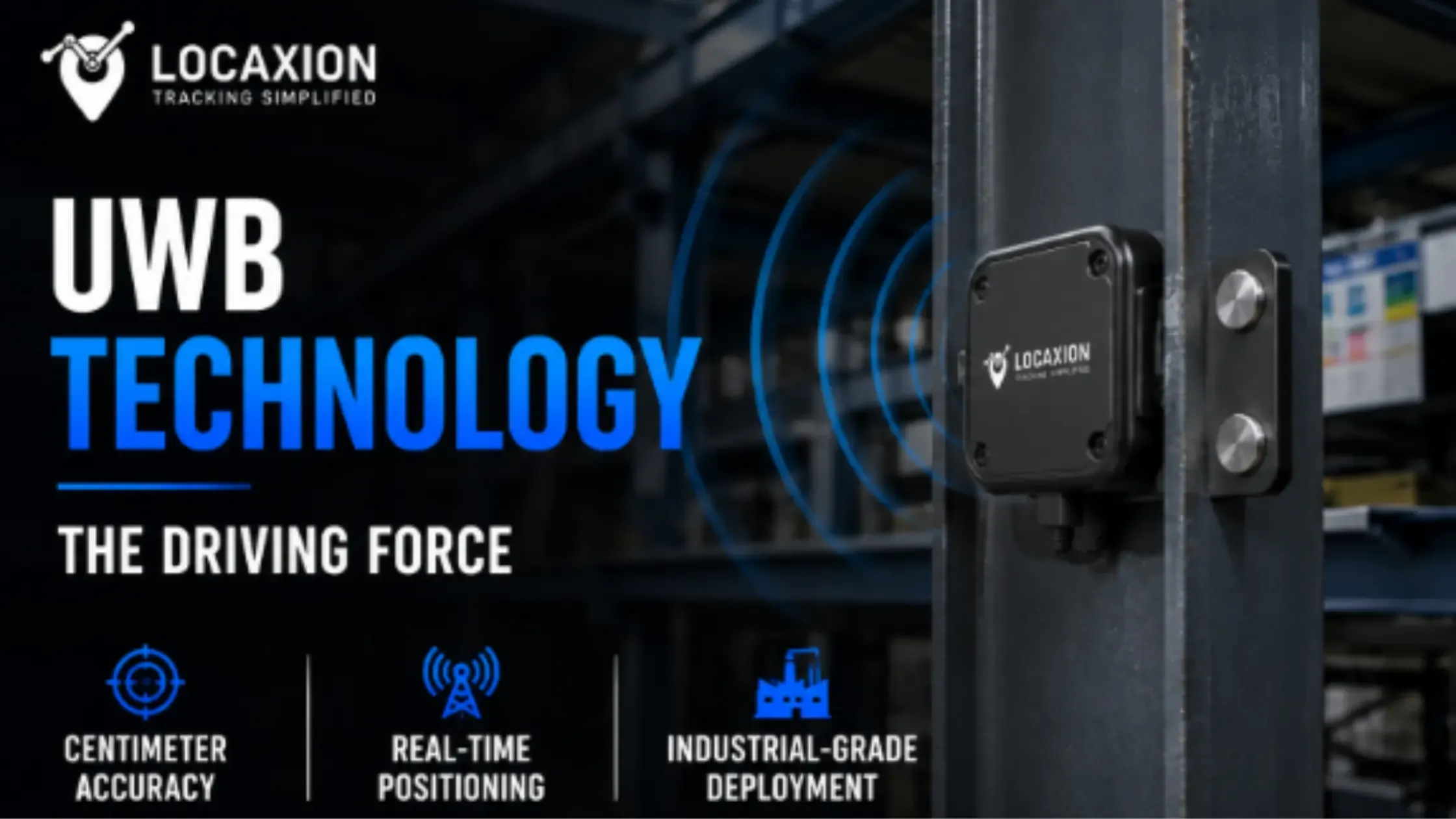
UWB Technology Metal
UWB Technology: Better Solution Ultra-wideband (UWB) RTLS technology has matured significantly over the past five years, making it viable for metals facilities with expansive outdoor yards and dense environments. Unlike legacy RFID solutions, UWB provides precise location data, even in challenging conditions where steel and heavy machinery can interfere with signals.
Why UWB is Ideal for Metals Manufacturing:
-
Highly Accurate (up to 30 cm precision)
-
Durable and Reliable in Harsh Environments
-
Works in Complex, Large Facilities – Indoors and Outdoors
Ready to Automate and Optimize Your Operations?
Metals manufacturing requires a logistics infrastructure as resilient as the products being produced. By upgrading from static, manual scanning processes to an active, facility-wide RTLS network, plant managers can capture unprecedented operational transparency. Whether you are tracking heavy raw materials or routing specific components or in scrap metal recycling process or even RFID tags for metal objects: location intelligence provides the data foundation necessary to scale output, enhance safety, and drive continuous improvement.
LocaXion has successfully guided metal and heavy manufacturers through complex RTLS implementations, delivering measurable ROI and transforming operations. Our expertise ensures that projects of any size are executed seamlessly, from pilot testing to full-scale enterprise rollout. Contact LocaXion today to schedule a consultation and start building your facility’s RTLS roadmap.
Frequently Asked Questions (FAQs)
How is RTLS used in metals manufacturing?
RTLS is used to actively track the physical location of raw steel, heavy equipment, forklifts, and personnel across sprawling indoor and outdoor facilities, eliminating manual barcode scanning and preventing lost inventory.
Can RTLS track custom metal assemblies?
Yes. By attaching ruggedized UWB or RFID tags to specialized carriers or the assemblies themselves, managers can track exact work-in-progress (WIP) statuses and route custom pieces through precise manufacturing stages without bottlenecks.
Why is UWB better than Wi-Fi for steel plants?
Steel plants represent highly reflective RF environments. Ultra-wideband (UWB) technology cuts through metallic interference and multipath signal bounce much more effectively than Wi-Fi or BLE, ensuring accurate tracking down to 30 centimeters.
Can an indoor RTLS integrate with my existing ERP or WMS?
Yes. Modern indoor rtls solutions utilize open APIs (like REST and MQTT) to feed precise, real-time location data directly into your existing Enterprise Resource Planning (ERP) or Warehouse Management Systems (WMS). This seamless integration transforms static software into an active, automated digital twin.
How does RTLS improve worker safety in a steel plant?
Beyond tracking raw materials, one of the major real-time locating systems benefits is workforce protection. RTLS can trigger automated proximity alerts if a worker steps into an active hazardous zone or gets too close to moving heavy machinery, like forklifts or overhead cranes, drastically reducing the risk of workplace accidents.
Does implementing RTLS require a complete facility shutdown?
No. A strategic deployment utilizes a phased approach, starting with high-priority production zones or specific critical assets. This gradual rollout allows facilities to keep operations running with zero disruption while allowing managers to validate the initial tracking accuracy before scaling across the entire plant.